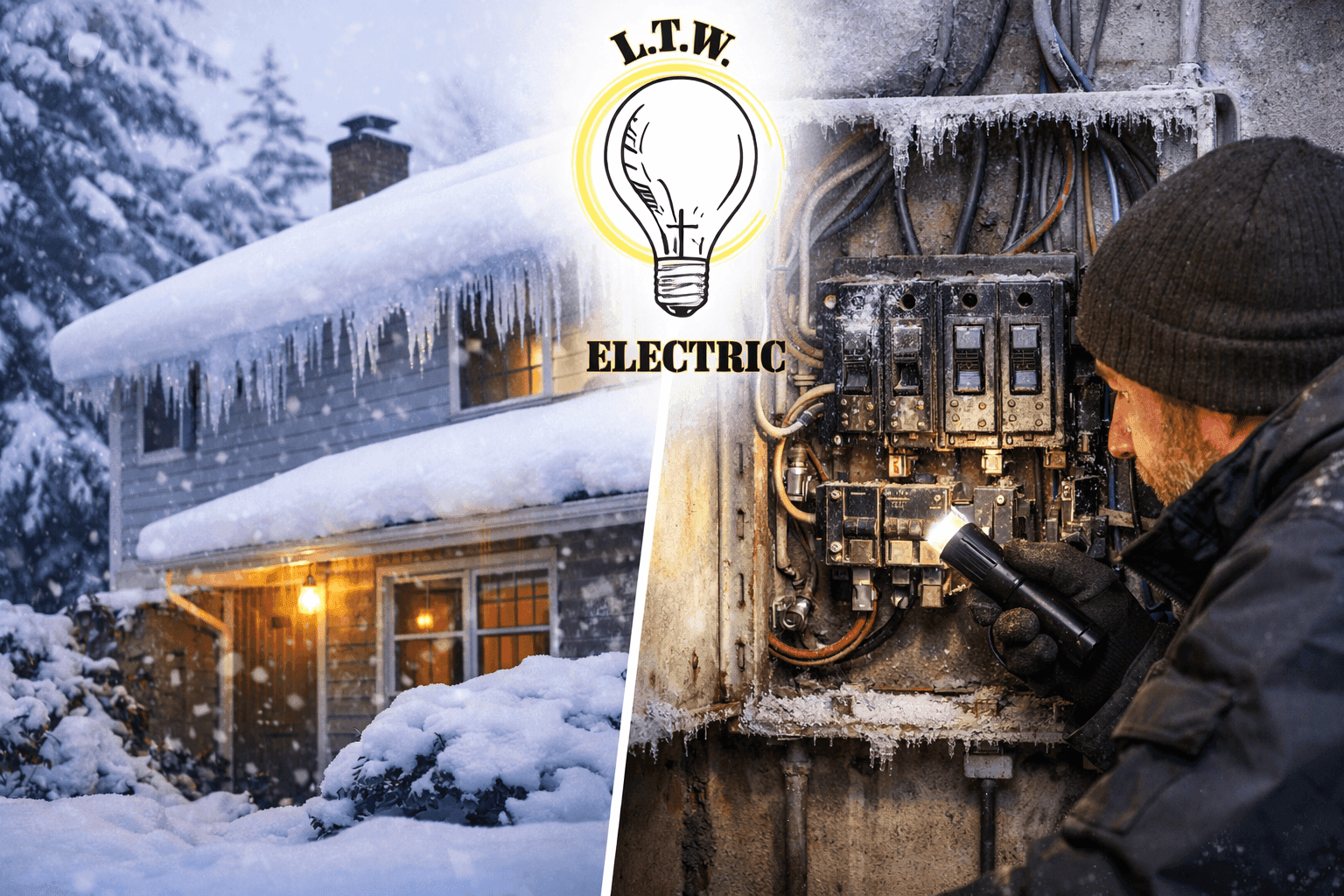
Electrical Panel Upgrade becomes a priority for many homeowners once winter settles into Upstate New York. Cold temperatures, snow accumulation, ice buildup, and increased indoor electrical usage place heavy stress on systems that may already be operating near their limits. In regions such as Albany, Schenectady, Troy, Saratoga Springs, Clifton Park, and Ballston Lake, older homes are especially vulnerable because their electrical panels were installed long before modern winter energy demands became common.
Many homeowners assume that if their electrical system worked last winter, it will work again this year. In reality, aging electrical panels deteriorate gradually, and winter conditions accelerate that process. This article explains why older electrical panels fail during winter, how Upstate NY’s climate contributes to these failures, and what homeowners can do to reduce the risk of outages, safety hazards, and emergency repairs.
Why Winter Places Unique Stress on Electrical Panels
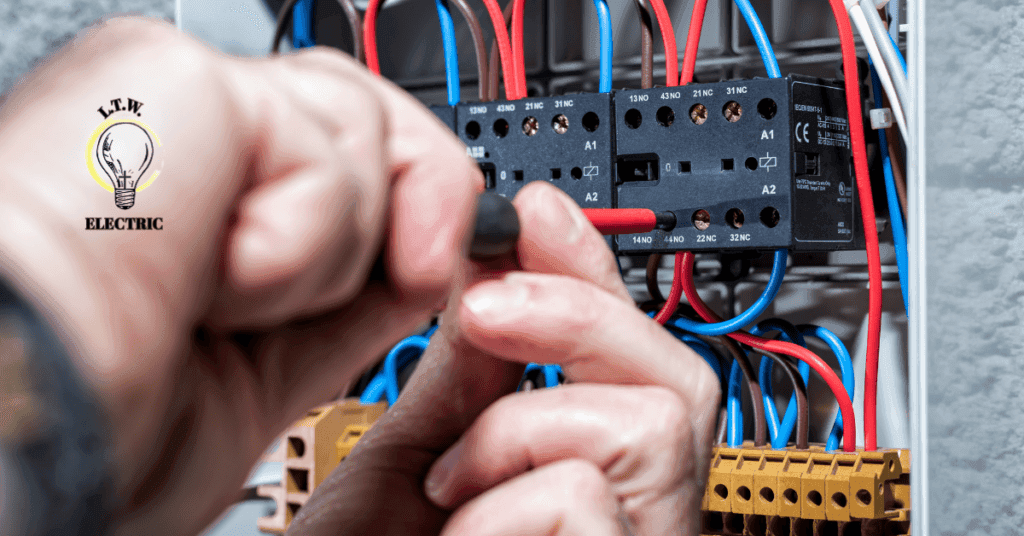
Winter is not just another season for electrical systems—it is the most demanding one. Unlike summer, where electrical usage may spike temporarily, winter creates long, uninterrupted periods of high demand. Heating equipment, pumps, and moisture-control devices often operate for hours at a time.
In areas like Clifton Park, where newer appliances are added to older homes, electrical panels must handle loads they were never designed to support. This sustained pressure reveals weaknesses that remain hidden during spring and fall.
The Aging Infrastructure of Upstate NY Homes
Many homes in Albany, Schenectady, and Troy were built decades ago. While these homes have charm and solid construction, their electrical infrastructure often reflects outdated standards.
Electrical panels installed 30 or 40 years ago were designed for:
- Fewer appliances
- Lower amperage demands
- Minimal electronic devices
- Limited heating-related electrical loads
As modern living requirements increased, panels were rarely updated to match them. Winter exposes this mismatch quickly and often without warning.
Cold Weather Effects on Electrical Panel Hardware
Cold temperatures affect more than comfort—they directly impact electrical components. Metal contracts as temperatures drop. Inside an electrical panel, this contraction loosens breaker connections and weakens contact points.
Over time, repeated winter cycles cause:
- Reduced breaker grip on bus bars
- Increased electrical resistance
- Heat buildup at weak connections
Heat inside a panel during winter may sound counterintuitive, but resistance-generated heat is a common cause of internal damage. This process is especially common during prolonged cold spells in Saratoga Springs and surrounding areas.
Moisture Intrusion and Corrosion During Winter
Moisture is one of the most damaging elements for electrical systems. Snow and ice increase moisture levels around foundations and service entry points.
In homes near lakes or with high groundwater—such as parts of Ballston Lake—moisture can travel through conduit or basement walls. Condensation also forms when warm indoor air meets cold exterior surfaces.
Once moisture enters an electrical panel, corrosion begins. Corroded metal disrupts electrical flow, weakens breaker performance, and accelerates failure. This is a leading reason homeowners suddenly require a 24/7 Emergency electrician during winter storms.
Increased Electrical Load During Cold Months
Winter energy use is both higher and more constant. Heating systems cycle continuously, sump pumps manage snowmelt, and well pumps respond to frozen ground conditions.
Older panels were never intended to support this level of sustained use. In growing residential areas like Clifton Park, home expansions, finished basements, and added appliances further strain these systems.
This is often the point where an Electrical Panel Upgrade becomes unavoidable for safety and reliability.
Key Reasons Electrical Panels Fail During Winter
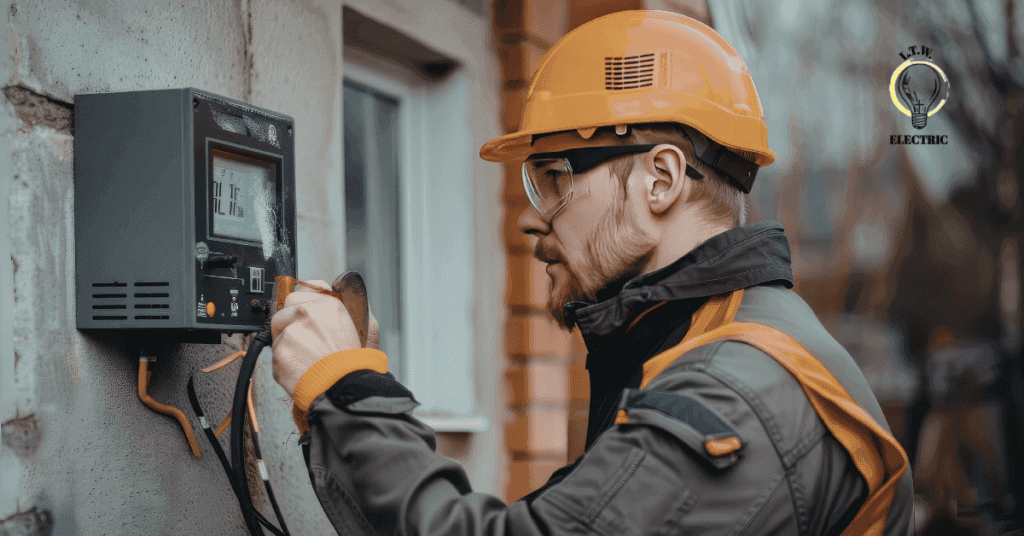
Old electrical panels fail during winter because several factors occur simultaneously:
- Cold temperatures cause metal components to contract
- Moisture increases corrosion inside the panel
- Electrical demand rises due to heating and pumping systems
- Aging breakers lose accuracy and responsiveness
- Safety margins narrow during extended cold weather
This combination explains why winter exposes electrical problems that remain unnoticed during warmer months.
Breaker Performance Problems in Winter
Breakers act as safety devices, shutting off power when circuits become unsafe. In older panels, breakers often behave unpredictably during winter.
Some breakers trip repeatedly due to stress. Others fail to trip at all, allowing wiring to overheat behind walls. Both scenarios are dangerous and common in winter, especially in older neighborhoods across Schenectady and Albany.
Ignoring frequent breaker issues often leads to sudden outages when temperatures are at their lowest.
Why Winter Electrical Failures Become Emergencies
Electrical failures rarely happen on mild days. They often occur late at night, during snowstorms, or over holiday weekends.
When power is lost in winter, heating systems shut down. Indoor temperatures drop quickly, increasing the risk of frozen pipes and unsafe living conditions. This urgency is why calls for a 24/7 Emergency electrician increase sharply during winter throughout Upstate NY.
Preventive action before winter reduces the likelihood of these high-stress situations.
Outdated Panels and Modern Electrical Safety Expectations
Electrical safety standards evolve based on real-world data and incident reports. Modern panels include protections that older systems simply lack.
Older panels often do not include:
- Arc fault detection
- Improved grounding paths
- Surge protection capability
- Load balancing features
Winter storms frequently cause power fluctuations. Older panels absorb these fluctuations internally, weakening components over time and increasing failure risk.
Cost Planning and Long-Term Value
Many homeowners hesitate to address panel issues due to uncertainty about Electrical Contractor Pricing. This hesitation often leads to higher costs later.
Planned electrical work is typically more affordable than emergency repairs. It also helps prevent damage caused by winter outages, such as failed appliances or frozen plumbing systems.
Clear cost information allows homeowners to make informed decisions without pressure.
Importance of Local Electrical Knowledge
Upstate NY winters create challenges that contractors from other regions may not fully understand. Professionals familiar with albany electrical services know how snow load, groundwater, and older construction styles affect electrical systems.
Local experience matters in places like Troy where environmental factors vary from neighborhood to neighborhood. Solutions must be tailored to real local conditions, not general assumptions.
When an Electrical Panel Upgrade Is the Smart Choice
An Electrical Panel Upgrade is commonly recommended when:
- The panel is over 30 years old
- Breakers show signs of corrosion or heat damage
- Winter outages have already occurred
- Renovations increased electrical demand
- Safety or insurance concerns arise
Upgrading improves reliability, safety, and long-term peace of mind during harsh winters.
Common Winter Misconceptions That Increase Risk
Myth: If the panel worked last winter, it will work again
Fact: Aging and corrosion worsen every year
Myth: Breaker trips are just an inconvenience
Fact: They indicate internal stress
Myth: Only homes with electric heat need upgrades
Fact: Any modern home can overload an old panel
FAQ: Winter Electrical Panel Failures
Why do panels fail more often in winter?
Because cold temperatures, moisture exposure, and higher electrical demand stress aging components simultaneously.
Can outdoor snow really affect an indoor panel?
Yes. Moisture travels through conduits and foundations, leading to corrosion inside the panel.
Are older panels always unsafe?
Not automatically, but age significantly increases the risk of winter-related failure.
Is inspection before winter helpful?
Yes. Early inspections identify problems before extreme cold creates emergencies.
Do rural homes face higher winter risk?
Homes with wells, sump pumps, or long service runs often experience higher winter electrical stress.
Plan Before Winter Forces the Issue
Old electrical panels rarely fail without warning. At LTW Electric, we see how winter simply accelerates damage that has been developing quietly over time.
Homeowners across Schenectady, Albany, Clifton Park, Saratoga Springs, and Troy can reduce risk by understanding how winter affects their electrical system and addressing issues early.
If your home still relies on an aging panel, now is the right time to explore safer options and take a proactive step toward reliable winter power.