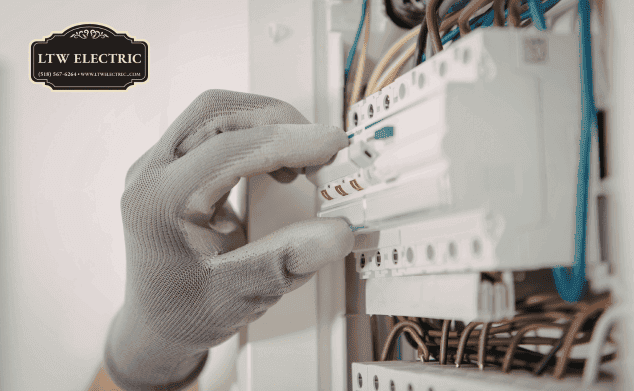
When a breaker shuts off again and again, the electrical system is trying to protect the home from damage. Many homeowners notice this problem during winter, when using heaters, or after adding new appliances. A breaker does not trip without a reason. It turns off power when the circuit becomes unsafe, preventing overheated wires, damaged equipment, and possible fire hazards.
In Albany, this issue is common because many houses were built years ago, when electrical systems were designed for fewer devices. Today, homes use more power for heating, cooling, kitchen appliances, and electronics. When the system cannot handle the load, the breaker shuts off to stop damage.
People often search why circuit breakers keep tripping in Albany, NY homes when the problem starts happening more often than usual. In most cases, the cause can be found and fixed with proper electrical troubleshooting, but ignoring the warning signs may lead to bigger repairs later. This guide explains the real reasons breakers trip, how weather and older wiring affect the system, and what homeowners should check before calling for service.
How Circuit Breakers Protect the Electrical System
A circuit breaker is a safety switch inside the electrical panel. Each breaker controls a specific circuit that powers lights, outlets, or appliances. When the current becomes too high, the breaker shuts off automatically.
This happens to prevent wires from overheating. If wires get too hot, insulation can melt and create a fire risk. In many cases, older homes may need electrical panel upgrades to handle modern electrical demand.
Breakers usually trip for three reasons:
Too much electrical load on one circuit
Short circuit caused by damaged wiring
Ground fault caused by moisture or loose connections
When homeowners try to understand why circuit breakers keep tripping in Albany, NY homes, the answer usually falls into one of these categories. The breaker itself is not the problem. It is doing exactly what it was designed to do.
Overloaded Circuits in Older Homes
One of the most common causes of breaker trips is overload. This happens when too many devices run on the same circuit at the same time.
Older homes often have fewer circuits than modern homes. Years ago, there were fewer appliances, so one breaker might power several rooms. Today, the same circuit may be running heaters, TVs, computers, and kitchen equipment.
This problem becomes more noticeable during winter because electric heaters use a lot of power. When several high-demand devices run together, the breaker shuts off to prevent overheating.
In many cases, homeowners do not realize the circuit is overloaded until the breaker trips repeatedly. Adding new appliances without upgrading the wiring is a common reason this happens, and may require electrical wiring services.
Short Circuits and Damaged Wiring
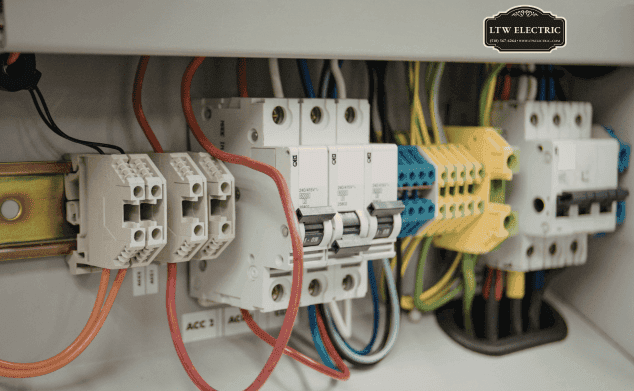
A short circuit occurs when a hot wire touches another wire or metal surface. This creates a sudden surge of electricity. The breaker trips instantly to stop damage.
Short circuits can happen because of worn insulation, loose connections, or damaged cords. Older wiring is more likely to develop these problems over time.
Signs of a short circuit may include sparks, burning smell, or a breaker that trips as soon as it is reset. These symptoms should not be ignored because they can lead to serious damage inside the wall.
In older Albany houses, this type of issue is common because wiring may have been repaired many times over the years, and sometimes requires older home rewiring.
Ground Fault Problems in Wet Areas
Ground faults happen when electricity leaves the normal path and flows through water, metal, or another surface. This often happens in kitchens, bathrooms, garages, and basements.
Modern electrical codes require GFCI protection in these areas. When moisture is present, the breaker or outlet shuts off power quickly to prevent shock.
Heavy rain, snow melt, and basement dampness can all affect wiring. This is why many homeowners notice breaker problems after storms or during seasonal changes.
Moisture-related faults can be difficult to find without proper testing, which is why professional inspection through electrical service in Albany is often needed when the breaker keeps shutting off in the same area.
Seasonal Electrical Stress in Albany
Weather conditions in Albany can put extra load on electrical systems. Cold winters and humid summers both increase power usage.
During winter, heaters, sump pumps, and extra lighting run more often. During summer, air conditioners draw high current when starting. If the circuit is already near its limit, the breaker trips.
Storms can also affect outdoor wiring and basement connections. Water exposure may cause corrosion or ground faults that make breakers trip repeatedly. In some cases, cooling equipment may need air conditioner wiring service.
Because of these seasonal changes, electrical problems sometimes appear suddenly even when the system worked fine before.
Electrical Panel Problems
Sometimes the issue is not the appliance or outlet. The panel itself may need repair or upgrade.
Breakers wear out over time. A weak breaker may trip even when the load is normal. Loose connections inside the panel can also create heat, which causes the breaker to shut off more often.
Many older homes still use smaller panels that were not designed for modern electrical demand. When new appliances are added, the panel may no longer have enough capacity and may require electric service upgrades.This is one of the main reasons people search for answers when breaker trips keep happening without a clear cause.
Warning Signs the System Needs Inspection
Frequent breaker trips should not be ignored. The electrical system may be under stress, and waiting too long can lead to bigger problems.
Watch for signs like the breaker tripping every day, lights flickering when appliances start, or the panel feeling warm. A burning smell near outlets or the breaker box is also a serious warning sign.
If the same breaker keeps shutting off, the circuit may be overloaded or damaged. Repeatedly resetting the breaker without fixing the cause can make the problem worse.
When these signs appear, the safest step is to call for emergency electrical service before damage spreads to other circuits.
What Homeowners Can Check Safely
Some simple checks can help find the cause before calling for service.
Turn off devices on the circuit, reset the breaker, and turn appliances back on one at a time. This helps find overload problems.
Check cords and plugs for damage. Make sure heaters and air conditioners are not sharing the same outlet. Look for moisture around outdoor or basement outlets.
If the breaker still trips after these checks, the problem may be inside the wiring or panel and may need a residential electrician.
Preventing Breaker Problems in the Future
Regular maintenance helps keep the electrical system safe and reliable.
Avoid plugging too many devices into one outlet. Use dedicated circuits for large appliances. Replace worn breakers when needed. Upgrade the panel if the home still uses an older system.
Small upgrades can prevent repeated power loss and make the home safer.
Many homeowners only realize there is a problem after the breaker trips again and again. Fixing the cause early helps avoid expensive repairs later. You can also read more safety tips on the LTW Electric blog.
FAQ – Circuit Breakers & Electrical Safety in Albany, NY
1. Why does my breaker keep tripping at night?
Answer:
Overnight trips are often connected to heating systems — electric blankets, space heaters, or HVAC cycling on — overloading a circuit. It can also happen if a device has a fault that only shows under sustained load. If nighttime trips are consistent, document what’s running and have an electrician take a look.
2. Is a warm electrical panel a danger sign?
Answer:
Slightly warm is normal. Hot to the touch is not. Excessive heat at a panel indicates heavy load, a failing breaker, or loose connections — all of which require immediate professional attention. Do not ignore a panel that radiates significant heat.
3. How often should a home electrical panel be inspected?
Answer:
For homes older than 25 years, or for any home where the panel hasn’t been evaluated recently, a professional inspection every 3–5 years is a reasonable baseline. Any time you add a major appliance, EV charger, or significant renovation, an inspection beforehand is strongly advisable.
4. Can I add more circuits to my existing panel to solve the tripping problem?
Answer:
Sometimes, yes — if your panel has available space and sufficient amperage. An electrician can assess whether additional circuits can be safely added, or whether the panel itself needs to be upgraded to accommodate the load. This is a judgment call that requires a direct inspection.
5. What’s the difference between a tripped breaker and a blown fuse?
Answer:
A tripped breaker can be reset — it’s a switch. A blown fuse contains a metal strip that physically melts when overloaded and must be replaced. If your home still uses fuses, an electrician can explain whether upgrading to a breaker panel makes sense for your situation.
Final Thoughts
Breaker trips are one of the most common electrical issues homeowners face. The cause may be overload, worn wiring, moisture, or an outdated panel. In Albany, older homes and seasonal weather changes make this problem more common than many people expect.
If the breaker keeps shutting off, the electrical system is giving a warning. Fixing the issue early helps prevent damage and keeps the home safe. When the panel and circuits are working correctly, power stays steady and reliable in every season.
If the same breaker continues to trip, scheduling an inspection through the contact page is often the best way to find the cause and restore normal power safely.
Having Electrical Issues in
Your Albany Home?
LTW Electric provides honest, professional electrical service throughout Albany and the Capital Region. Whether it’s a tripping breaker or an aging panel, our team is ready to help you get answers — not guesses.