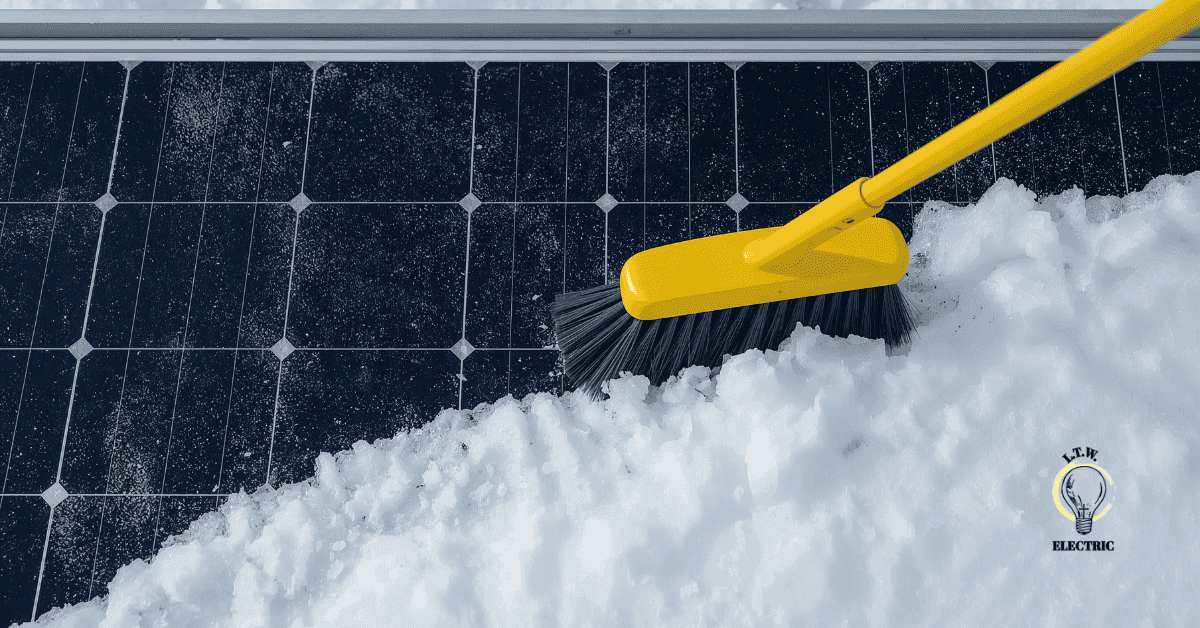
Why Winter Is Hard on Electrical Panels
Winter weather in upstate New York brings heavy snowfall, freezing rain, icy winds, and long stretches of below-freezing temperatures. Homeowners in Schenectady often prepare for winter by servicing heating systems, sealing windows, and insulating pipes. However, one critical component that is often overlooked is the electrical panel.
Your electrical panel controls how power is distributed safely throughout your home. Every light, appliance, heating system, and outlet depends on it functioning properly. During winter, snow and ice create conditions that can slowly damage this system without obvious warning. Moisture intrusion, condensation, and repeated freeze-thaw cycles can weaken internal connections and shorten the lifespan of breakers.
Across nearby areas such as Albany and Troy, winter electrical service calls increase every year. In many homes, winter exposure reveals hidden panel issues that were not noticeable during warmer months. These conditions often lead homeowners to explore whether an Electrical Panel upgrade Schenectady professionals recommend is necessary for safety and reliability.
How Snow and Ice Affect Electrical Panels Over Time
Snow and ice rarely cause immediate electrical failure. The damage usually happens gradually as winter conditions persist.
Moisture Intrusion from Melting Snow
When snow accumulates around a home, it eventually melts. Meltwater flows along siding, foundations, and conduit lines. If an electrical panel enclosure has aging seals, hairline cracks, or loose fittings, moisture can enter the panel. Once inside, water can pool at the bottom of the enclosure or settle on internal components.
At night, when temperatures drop, that moisture freezes and expands. Over repeated cycles, this expansion stresses insulation, loosens terminals, and accelerates internal wear. Even small amounts of moisture can cause long-term damage when combined with freezing temperatures.
Freeze-Thaw Cycles Explained
Freeze-thaw cycles are one of the biggest winter threats to electrical panels. During the day, sunlight and indoor heat may raise temperatures slightly above freezing. At night, temperatures drop again. Electrical panels contain metal bus bars, breaker clips, and terminals that expand and contract with temperature changes.
Over time, this movement loosens connections. Loose connections increase electrical resistance, which generates heat. This heat buildup can occur even during cold weather and increases the risk of breaker failure or damaged wiring.
Condensation Inside the Panel
Condensation occurs when warm, moist indoor air contacts cold metal surfaces. Panels located in basements, garages, or utility rooms near exterior walls are especially vulnerable. Moisture in the air condenses on the metal components inside the panel and may not be visible from the outside.
This hidden moisture promotes corrosion on breakers and bus bars, reducing their ability to conduct electricity safely and reliably.
Read it also: Top Warning Signs Your Home Needs Electrical Panel Upgrades Immediately
Warning Signs of Winter Electrical Panel Problems
Electrical panel issues caused by winter conditions often provide early warning signs. Paying attention to these signals helps prevent emergencies.
Breakers Tripping More Frequently
If breakers trip more often during cold weather or winter storms, moisture or loose internal connections may be disrupting electrical flow.
Flickering or Dimming Lights
Lights that flicker during cold mornings, evenings, or snowstorms may indicate unstable power distribution from the panel.
Rust or Corrosion
Rust on panel screws, breaker edges, or inside the panel door is a strong indicator of moisture exposure. Corrosion interferes with proper electrical contact and should never be ignored.
Unusual Smells or Sounds
A damp or metallic smell can signal moisture buildup. Buzzing, humming, or crackling sounds may indicate loose breakers or arcing connections.
👉 Not sure if winter moisture is affecting your panel?
Contact Us for a free inspection.
Why Outdoor Electrical Panels Face Higher Winter Risk
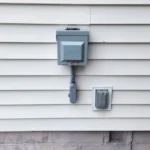
Some homes have electrical panels mounted outdoors or on exterior walls. These panels face greater exposure to winter conditions.
Snow Accumulation and Ice Buildup
Snow piled against an outdoor panel restricts airflow and traps moisture. As snow melts during the day and refreezes at night, water can seep into seams and gaskets around the enclosure.
Ice Dams and Water Runoff
Ice dams on roofs redirect melting snow down exterior walls. This runoff often flows directly over outdoor electrical equipment, increasing the likelihood of moisture intrusion.
Even newer homes in Clifton Park and Saratoga Springs experience winter panel issues when exterior installations are exposed to repeated freeze-thaw cycles. In these cases, homeowners often consider an Electrical Panel upgrade Schenectady electricians recommend for improved weather resistance.
Practical Steps to Protect Your Electrical Panel During Winter
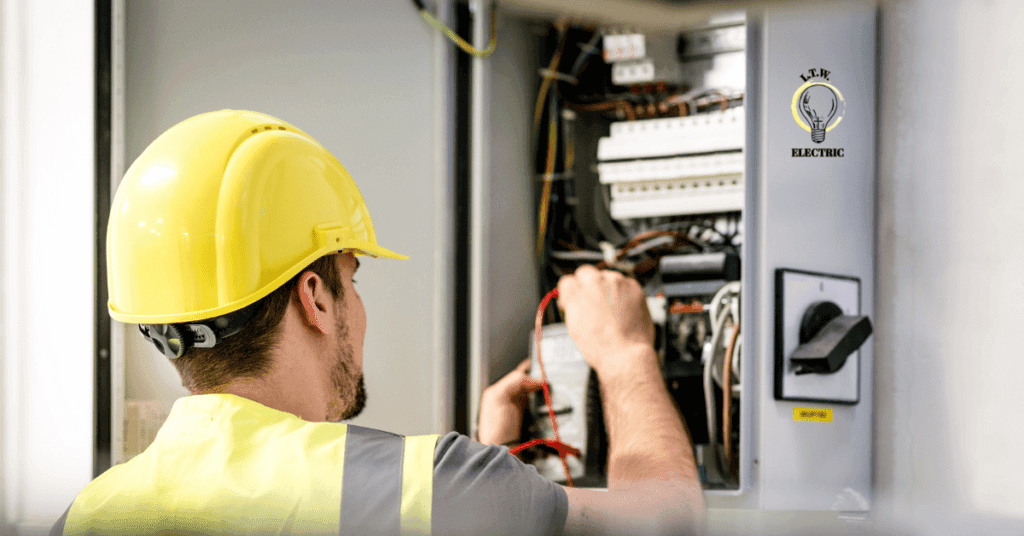
Preventive care plays a major role in avoiding winter electrical issues.
Keep the Panel Area Clear and Dry
Clear snow and ice away from exterior panels after storms. Indoors, avoid storing wet items, snow-covered boots, or cleaning supplies near the panel.
Inspect the Panel Enclosure
Look for cracks, gaps, or loose covers. Even small openings can allow moisture inside during melting and refreezing cycles.
Maintain Consistent Indoor Temperatures
Keeping basements and garages above freezing helps reduce condensation and protects internal panel components.
Schedule Seasonal Electrical Inspections
A licensed residential electrician can identify early signs of winter damage before they lead to outages or safety concerns.
👉 Planning ahead for winter?
Get an estimate through our Home page.
One-Time Winter Safety Checklist for Homeowners
- Clear snow and ice from around exterior panels
- Check for condensation or rust inside the panel door
- Listen for buzzing or crackling sounds
- Ensure the panel cover is secure and undamaged
- Keep stored items away from the panel
When Preventive Measures Are No Longer Enough
In some homes, winter problems return every year despite proper maintenance.
Older Panels and Winter Stress
Panels installed decades ago were not designed for modern electrical loads or current safety standards. Aging materials are more vulnerable to cold-weather stress and moisture exposure.
Outdated Safety Features
Modern panels include improved breaker technology, grounding, and moisture resistance. Repeated winter failures often signal the need for an Electrical Panel upgrade Schenectady homeowners choose for long-term safety.
Ongoing Winter Power Issues
If breakers trip every winter, corrosion keeps returning, or power becomes unreliable during storms, replacement may be safer than continued repairs.
👉 Concerned about winter power issues?
Call now for help from an emergency electrician.
How Professional Electricians Reduce Winter Electrical Risks

Licensed electricians take a systematic approach to winter electrical protection.
Weather-Resistant Enclosures
Modern enclosures are designed to reduce moisture entry while allowing proper ventilation.
Grounding and Bonding Improvements
Proper grounding ensures breakers trip correctly if moisture causes a fault.
Load Evaluation and Breaker Testing
Testing ensures the panel can safely handle increased winter electricity use.
These services are commonly included during an Electrical Panel upgrade Schenectady performed for winter reliability.
Read it also:- Outdated Wiring? Here’s Why You Need an Electrical Panel Upgrade Now
Common Winter Electrical Myths
Cold weather alone can’t damage panels
Cold combined with moisture accelerates corrosion and loosens connections.
If the power is on, everything is fine
Internal damage can exist long before a full outage occurs.
Indoor panels are always safe
Basement and garage panels face condensation risks during winter.
Frequently Asked Questions (FAQ)
Can snow and ice damage an electrical panel?
Yes. Moisture and freeze-thaw cycles loosen connections and cause corrosion over time.
Is it safe to open an electrical panel in winter?
Panels should not be opened if moisture is present. A licensed electrician should inspect them.
How often should panels be checked in winter?
At least once per winter season, especially after severe storms.
Does winter increase the risk of electrical fires?
Yes. Loose connections caused by temperature changes can create heat buildup.
When should a panel be replaced?
If winter issues repeat yearly, an Electrical Panel upgrade Schenectady homeowners rely on may be the safest solution.
Serving the Capital Region with Reliable Electrical Services
LTW Electric proudly serves homeowners throughout Schenectady, Albany, Clifton Park, Saratoga Springs, and Troy. From inspections and emergency electrical services to electrical panel installation and EV charger installation, our team focuses on safety and reliability year-round.
Learn more about our experience on the About page or view recent projects in our Portfolio.